

Alanine Scanning Library | Alanine Scanning Peptide Library | Tectonic Relationship Studies | Targeted Mutant Peptide Library | Science-Peptide
Meta Description
Need to do alanine scanning to identify key amino acids? Science-Peptide provides professional alanine scanning library synthesis service, mutating each position of target sequence into alanine one by one, with fast delivery, optional purity and complete data. Welcome to inquire.
Alanine scanning: finding out who's at play
What is the alanine scanning library?
Anyone doing functional studies on proteins or peptides would like to know one question: With so many amino acids, which ones are the key ones?
The alanine scanning library is used to answer this question. Every amino acid in the target sequence (except alanine itself) is replaced with an alanine one by one, and then the activity is measured. If the activity drops off at any position, it means that the original amino acid at that position is likely to be the key.
This strategy is particularly used in the following scenarios:
- Constitutive relationship studies: identification of active essential residues
- Antibody epitope analysis: determining which amino acids are important for antigen recognition
- Receptor binding site identification: find the amino acid that binds to the lig
- Protein engineering: guiding the design of mutations to improve stability or activity

What we can do
1. Library design: mutation by mutation, covering the entire sequence
|
Parameters |
Description |
|
Scanning range |
the entire length or a designated area |
|
mutation mode |
Each position-by-position mutation to alanine |
|
natural alanine treatment |
can be mutated to other amino acids (e.g., glycine), or skipped |
|
control peptide |
Wild-type sequence (optional) |
Control peptide Wild-type sequence (optional)
As an example: a peptide of 10 amino acids, the sequence is YGRKKRRQRRR. the alanine scan library is:
1st Y → A: AGRKKRRQRRR
2nd G→A:YARKKKRRQRRR
3rd R → A: YGAKKRRQRRR
And so on, for a total of 10 peptides
2. Synthetic Capacity
|
Project |
Capacity |
|
peptide length |
5-50 amino acids |
|
library size |
10-100 peptides (depending on target sequence length) |
|
The purity option |
Crude (70-85%), regular pure (85-95%), high pure (95-98%) |
|
Single-strip output |
0.5-10 mg (adjustable as needed) |
|
form of delivery |
96-well plates, individual centrifuge tubes, syringes |
|
Periodicity |
1-2 weeks for up to 20 peptides, 2-3 weeks for larger quantities |
3. Quality control: data for each peptide
For every peptide in our alanine scanning library, we offer:
MS Mass Spectrometry: Confirmation of correct molecular weight (any change in molecular weight after mutation counts as good)
HPLC purity: crude or purified purity data
COA report: one per peptide, searchable by location
Optional services:
Peptide Content Measurement: If you need accurate quantification, do this
Solubility test: Recommendation of suitable solvents
Amino acid composition analysis:Confirmation of correct mutation
Why call us for an alanine scanning library?
1. We've been doing this for 20 years
An alanine scanning library sounds like "a batch of mutant peptides", but there are a lot of details to make sure that each peptide is correct, the purity is consistent, and the delivery is on time. Over the years, we have done hundreds of scanning library projects for our customers, ranging from 10 to 100 peptides, and we have long since smoothed out the process.
2. Purity on demand, without waste of money
Crude (70-85%): for initial screening, first see which positions have a big impact and save money.
Regular pure (85-95%): most of the activity experiments, cost-effective enough.
High purity (95-98%): Needed for precise quantification or structural studies, more stable results.
3. Data integrity and credibility of results
The MS and HPLC data of each peptide will be given to you and organized in Excel, which position corresponds to which peptide, what is the purity, and what is the correct molecular weight, all of which are clear. You can use them directly when you write articles.
4. Need a modifier? Can also be added
Some experiments require labeled peptides for detection:
Biotin labeling: to facilitate capture or detection
FITC labeling: for fluorescence detection
Phosphorylation modification: study of phosphorylation-dependent activity of
When you synthesize it, you can add it directly, so you don't have to come back and do it again.
5. Follow through from scanning to validation
After screening out the key positions, more follow-up work is often needed: for example, synthesizing combinatorial mutations, scaling up for animal experiments, and developing the process. science-Peptide can seamlessly connect these stages - the same project, the same counterpart, and no need to re-harmonize.
Where Is the Alanine Scan Library Used?
|
Research areas |
Uses |
library size |
|
Antimicrobial peptide research |
Identification of residues essential for antimicrobial activity |
20-40 articles |
|
cell-penetrating peptides |
Identification of membrane-penetrating critical amino acids |
10-30 articles |
|
antibody-antigen recognition |
locating key residues in antigenic epitopes |
20-50 articles |
|
enzyme-substrate interactions |
Determination of substrate recognition sites |
15-30 articles |
|
protein engineering |
guiding the design of mutations to improve stability |
Full sequence scanning |
|
receptor-ligand binding |
Identify the combination of essential amino acids that |
30-60 articles |
Delivery and quality control
Form of delivery:
Individual centrifuge tube dispensing (on demand)
Accompanying documents:
Excel summary table (sequence, MW, purity, MS file links for all peptides)
Independent COA for each peptide (PDF)
Library design summary report (describing the location corresponding to each mutation)
Optional: solubility data, peptide content determination
Before each alanine scan library is sent out, we check to make sure that the mutation position is correct, the peptide number is correct, and the data is complete.
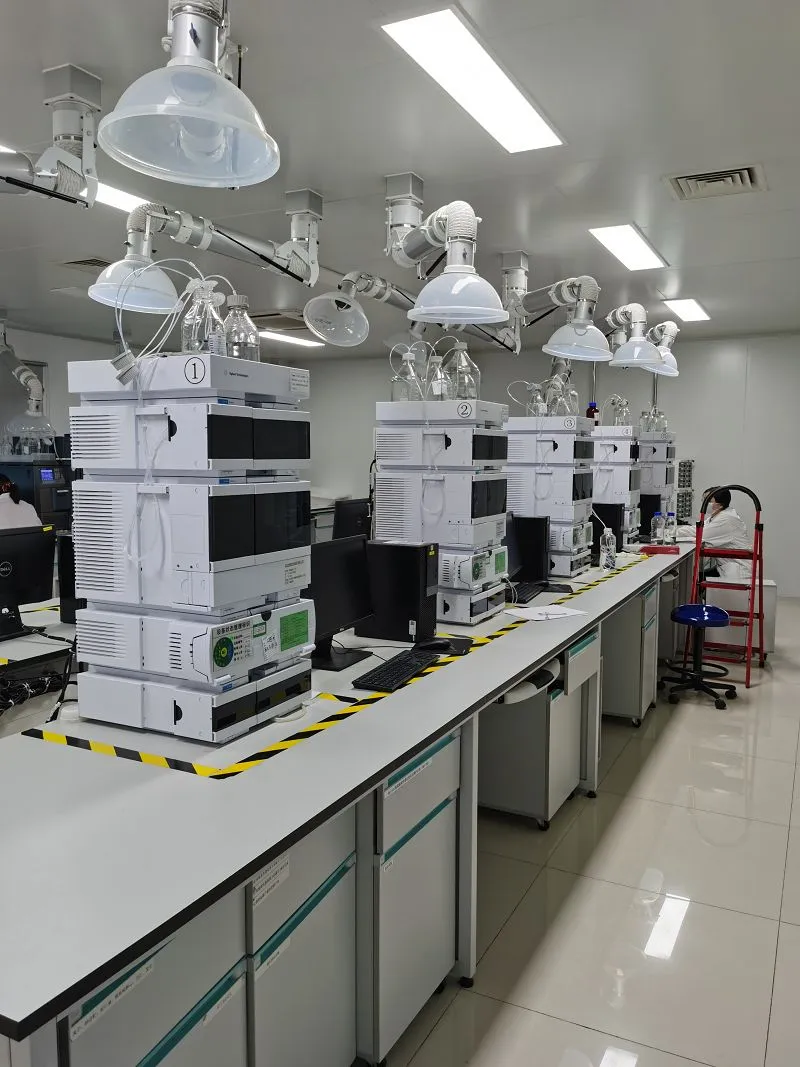
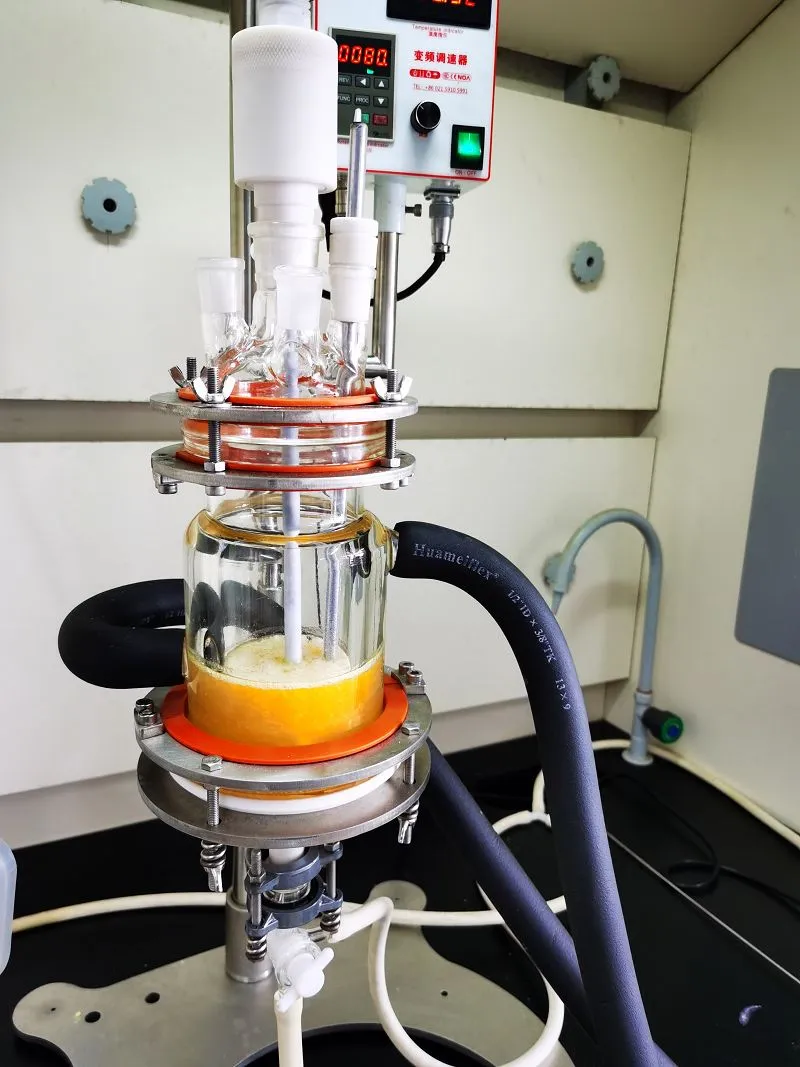
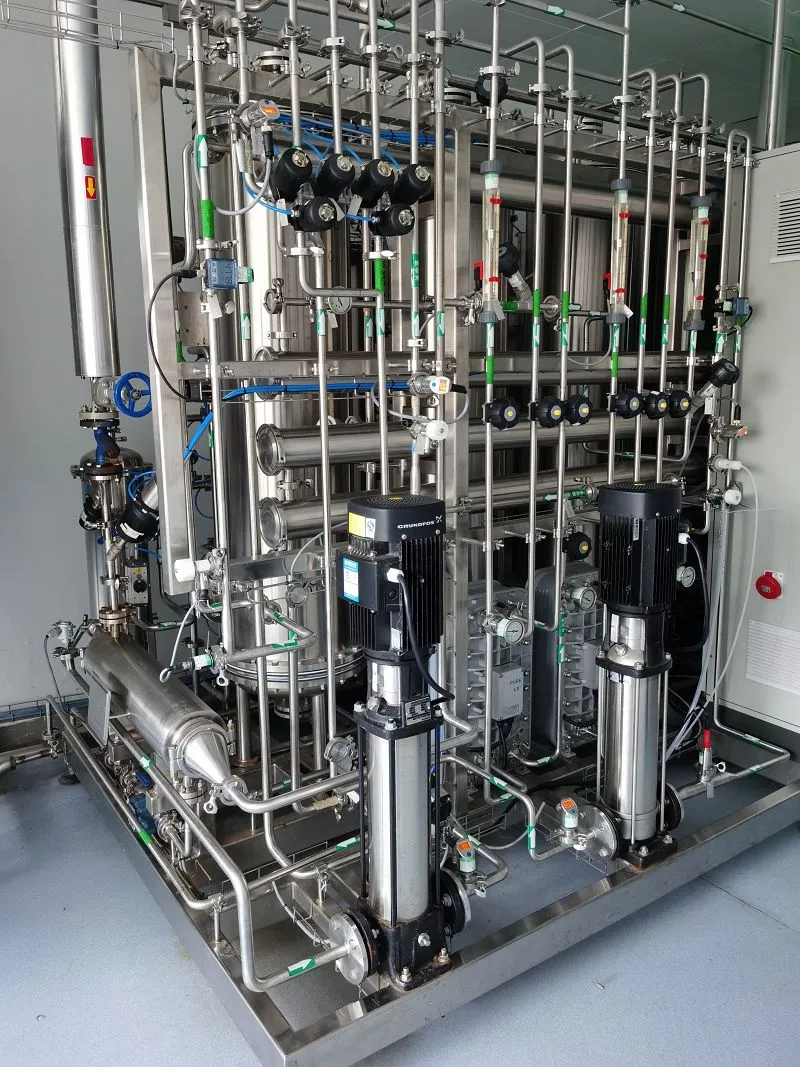
Three real-life cases
Case 1: Antimicrobial peptide program of a research institute
The customer was studying a 28 amino acid antimicrobial peptide and wanted to know which positions were critical for the bactericidal activity. We synthesized an alanine scanning library of 28 peptides (one position per mutation) and delivered it in 2 weeks with purity >90%. After measuring the activity, the customer found that the activity disappeared when alanine was substituted at positions 5, 12 and 19, and further optimization was carried out for these positions.
Case 2: Cell-penetrating peptide program of a biotechnology company
Our customer has developed a 15 amino acid membrane-penetrating peptide and wants to identify the essential residues for membrane penetration. We synthesized a scanning library of 15 peptides with FITC labeling for easy detection. After screening the peptide by flow cytometry, the customer found that the membrane-penetrating efficiency decreased by 80% when alanine was substituted at positions 4 and 8, and thus designed the second generation of membrane-penetrating peptide.
Case 3: Antibody epitope analysis program of a pharmaceutical company
The client had a therapeutic antibody strain and wanted to determine the antigenic epitope it recognized. We synthesized an alanine scanning library covering the 50 amino acid region of the antigen protein, with a total of 50 peptides. The client screened the peptides by ELISA, and found that the binding disappeared when alanine was substituted at positions 23, 27, and 31, thus pinpointing the core region of the epitope.
Talking about your alanine scanning library needs?
Whether you want to identify key residues in an antimicrobial peptide or find an epitope recognized by an antibody, we can help you design and synthesize high-quality alanine scanning libraries.
I need you to tell me:
Target sequence (peptide or protein fragment)
Scanning range (full length or specific area)
Mutation processing (what to do with natural alanine)
Do I need to add a control wild type?
How much of each peptide to
purity requirements
Need for modification (biotin, FITC, etc.)
When do you want it?
Give you a quote and delivery plan within 24 hours.