

Phosphorylated Peptides | Site-Specific Phosphorylation of Serine/Threonine/Tyrosine | Synthesis of High Purity Phosphorylated Peptides | Science-Peptide
Meta Description
Need site-specific phosphorylated peptides for antibody screening, kinase analysis or protein interactions? Science-Peptide provides professional phosphorylated peptide synthesis service, supporting pSer, pThr, pTyr multi-site combination, high purity, fast delivery, site confirmation. Welcome to contact us.
Phosphorylated peptides | Precision modification for signaling pathway research
Protein phosphorylation is one of the most common and important post-translational modifications, which regulates almost all life activities, such as cell cycle, signaling and gene expression. To study phosphorylation events, high quality phosphorylated peptides are often required as tools - whether for screening phospho-specific antibodies or as kinase substrates for activity analysis, the purity and accuracy of phosphorylated peptides have a direct impact on the reliability of the experimental results. Based on more than 20 years of experience in peptide synthesis, KPT provides customized site-specific phosphorylated peptides for you. From single-site phosphorylation to multi-site combination modification, from milligrams of research dosage to grams of diagnostic raw materials, we ensure that each phosphorylated peptide has accurate modification sites, high phosphorylation efficiency, and batch-to-batch stability.

What are phosphorylated peptides?
Phosphorylated peptides are modified peptides in which a phosphate group is covalently attached to specific amino acid residues in the peptide sequence. Phosphorylation usually occurs on the hydroxyl groups of serine (Ser), threonine (Thr) and tyrosine (Tyr) residues to form phospho-serine (pSer), phospho-threonine (pThr) and phospho-tyrosine (pTyr). These phosphorylated peptides can be used to mimic the phosphorylation state of proteins, to study the effect of phosphorylation on protein structure and function, or as a tool to screen for antibodies and binding proteins recognizing phosphorylation sites.
Depending on the application, phosphorylated peptides can be classified as:
Single-site phosphorylated peptide: only one specific residue is phosphorylated and is used to study the function of that site.
Multi-site phosphorylated peptide: Multiple residues are phosphorylated simultaneously, mimicking the complex modification state of the protein.
The core competence of the phosphorylated peptides of Science-PeptideB
1. Site-specific phosphorylation
We support the synthesis of phosphorylated peptides with three residues: serine, threonine and tyrosine. By using commercial Fmoc-amino acid (phospho-protected)-OH monomers, the phosphorylated amino acids are directly introduced into specific sites during solid-phase synthesis, avoiding the uncertainty of random phosphorylation after synthesis. Each phosphorylated peptide was confirmed by mass spectrometry that the phosphate group was attached to the correct position. For sequences containing multiple potential phosphorylation sites, we will help you design a protection strategy to ensure that the modification occurs on the residues you specify.
2. Multi-site combinatorial modifications
For complex phosphorylated peptides that require multiple phosphorylation sites, we adopt an orthogonal protection strategy to ensure that the phosphorylation of each site can be independently controlled. For example, we have synthesized a 13-peptide containing both pSer and pTyr for a customer, and both sites were fully phosphorylated without leakage. Even if the phosphorylation sites are adjacent to each other or located in regions that are difficult to synthesize, we have mature optimization solutions.
3. High purity and complete characterization
Each phosphorylated peptide was purified to the target purity by HPLC and the correct molecular weight was confirmed by mass spectrometry (MS). For peptides containing multiple phosphorylation sites, we provide MS/MS secondary mass spectrometry data to verify the location of each phosphorylation site by fragment ions. A detailed COA report including purity, molecular weight, mass spectrometry, confirmation of phosphorylation sites and storage recommendations is delivered.
4. Compatible with other modifications
Phosphorylated peptides can be introduced simultaneously with other modifications (e.g., biotin, fluorescent labeling, PEGylation, etc.). For example, biotin-labeled phosphorylated peptides can be used in pull-down assays to capture phosphorylated binding proteins; fluorescently labeled phosphorylated peptides can be used for real-time monitoring of kinase activity; and stable isotope-labeled phosphorylated peptides can be used as an internal standard for mass spectrometry quantification.
Technical Parameters and Customization Capabilities
|
Parameters |
Description |
|
polypeptide length |
2-100 amino acids (longer sequences to be evaluated) |
|
phosphorylation sites |
Ser, Thr, Tyr (single-digit or multi-digit combinations) |
|
purity level |
>70%, >75%, >80%, >85%, >90%, >95%, >98% Optional |
|
synthetic scale |
milligrams, grams, hundred grams |
|
Optional modifiers |
biotin, FITC, TAMRA, PEGylation, acetylation, methylation, and other |
|
Quality Control Program |
HPLC purity, MS molecular weight confirmation |
|
form of delivery |
Lyophilized powder (tube or bottle) |
Common applications of phosphorylated peptides
1. Phospho-specific antibody screening
Phosphorylated peptides are key tools for the preparation and screening of phospho-specific antibodies. By using phosphorylated peptides together with non-phosphorylated control peptides in ELISA or microarray screening, antibodies that recognize only the phosphorylated form can be efficiently obtained. We have provided high-purity phosphorylated peptides to many antibody companies for their antibody development programs, and some of the antibodies have become popular research tools.
2. Analysis of kinase activity
Phosphorylated peptides can be used as kinase substrates for the detection of kinase activity, the screening of kinase inhibitors or the study of kinase substrate specificity. For example, changes in kinase activity can be quantified by using phosphorylated peptides as standards in combination with phospho-specific antibodies or radiolabeling. Our phosphorylated peptides are stable from batch to batch and are suitable for high-throughput screening.
3. Protein interaction studies
Many signaling pathway proteins interact by recognizing specific phosphorylated peptide motifs. Using phosphorylated peptides as probes, combined with pull-down or SPR techniques, new phosphorylation-dependent binding proteins can be identified. We have synthesized a series of pTyr-containing phosphorylated peptides for a client and used them to screen the binding specificity of their SH2 domains, and successfully identified several new interactions.
4. Research on cellular signaling pathways
Phosphorylated peptides can be introduced into cells (e.g., by microinjection or liposomal transfection) to mimic the activation of specific signaling pathways and to study downstream effects. For example, pSer-containing phosphorylated peptides can be used to mimic functional changes upon binding of 14-3-3 protein. We can provide phosphorylated peptides with cell-penetrating peptide sequences for direct use in cellular experiments.
5. Mass spectrometry quantitative internal standards
Stable isotope labeled phosphorylated peptides can be used as internal standards for quantitative phosphorylation proteomics studies by mass spectrometry. We can provide phosphorylated peptides containing ¹³C/¹⁵N-labeled amino acids for absolute quantification and guarantee co-elution with natural peptides.
6. Vaccine and diagnostic reagent development
Certain disease states produce autoantibodies against specific phosphorylated peptides. Phosphorylated peptides can be used as antigens to detect these autoantibodies and assist in disease diagnosis. We have supplied phosphorylated peptides to a number of diagnostic companies for use in kit development, and some of them have already obtained medical device registration certificates.
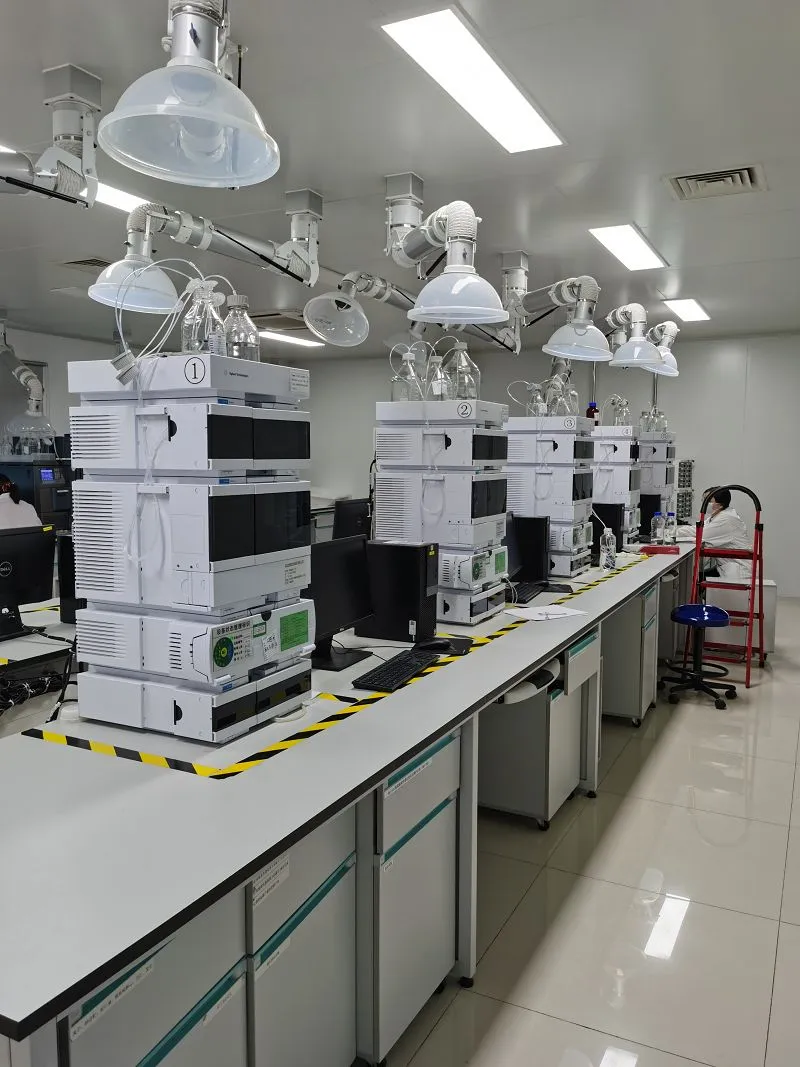
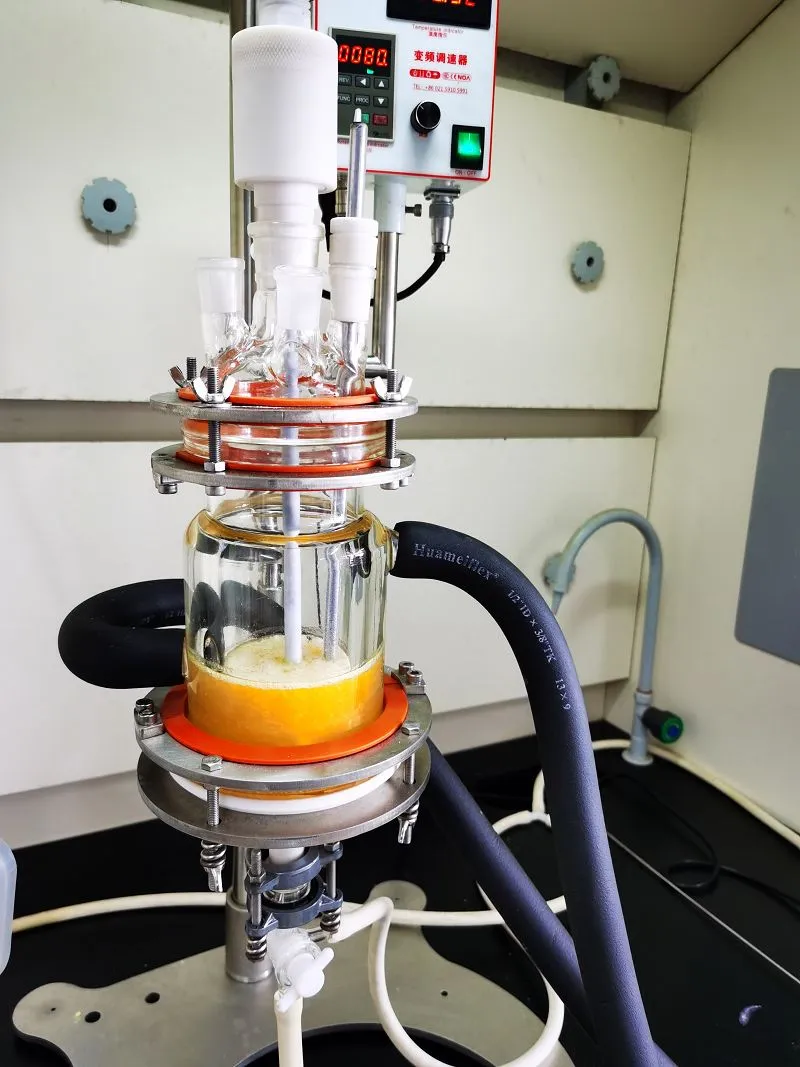
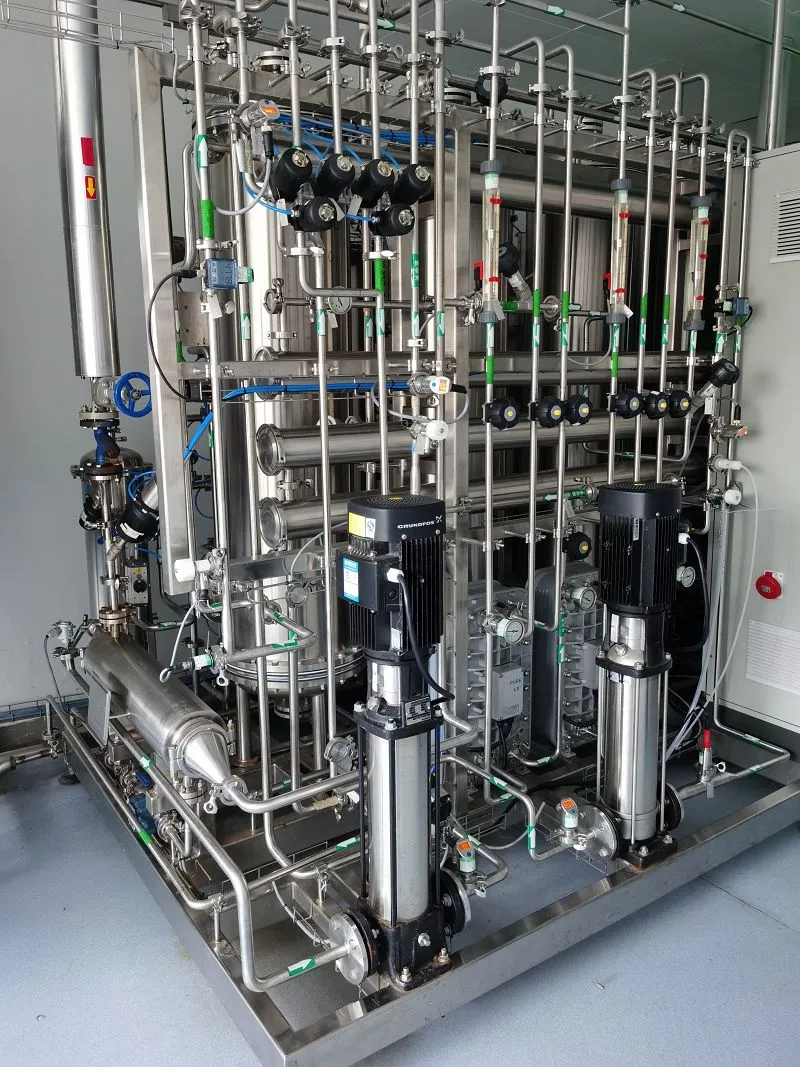
Phosphorylated peptide synthesis process
1. Communication of needs
You provide the peptide sequence, phosphorylation site (which Ser/Thr/Tyr should be phosphorylated), purity requirements and dosage. We will evaluate the synthesis difficulty based on the sequence characteristics and recommend the most suitable phosphorylation strategy (e.g. single site, multiple sites, analog selection, etc.).
2. Synthetic design
Selection of appropriate protection strategies. For conventional phosphorylated peptides, we used commercially available monomers such as Fmoc-Ser(PO(OBzl)OH)-OH, Fmoc-Thr(PO(OBzl)OH)-OH, and Fmoc-Tyr(PO(OBzl)OH)-OH, which were directly introduced during solid-phase synthesis. For multi-site phosphorylated peptides, the reaction conditions should be optimized to ensure the complete phosphorylation of each site and avoid side reactions.
3. Peptide synthesis
The peptide chain was assembled stepwise by solid-phase synthesis. The phosphorylated amino acids with protective groups were directly coupled at the positions where phosphorylation was required. The reaction conditions (e.g., coupling time and temperature) were strictly controlled during the synthesis process to avoid shedding of the phosphoryl groups. For long peptides or insoluble peptides, we use microwave-assisted synthesis or special solvents to improve efficiency.
4. Cutting and deprotection
The peptides are cut from the resin using a scavenger-containing cutting solution, which removes both the side-chain protecting groups and the phosphate protecting groups. For acid-sensitive phosphorylated peptides, cutting conditions (e.g., reduction of TFA concentration, addition of scavengers) need to be optimized to reduce the loss of phosphate groups.
5. Purification
The crude peptide was purified to the target purity by preparative HPLC. For peptides containing multiple phosphorylation sites, products with different phosphorylation states may require careful optimization of the gradient for separation. We use MS online monitoring to ensure that the target products are collected.
6. Quality control
HPLC analysis: confirm the purity meets the requirements, provide chromatogram.
Mass Spectrometry (MS): Verify that the molecular weight is correct, confirm that the phosphorylation is successful, and provide a mass spectrum.
7. Delivery
Provide lyophilized powder and detailed COA report, including synthesis lot number, purity, molecular weight, mass spectra, storage conditions and usage recommendations. All data can be traced back for publication or reporting.
Why choose phosphorylated peptides from Science-PeptideB?
1. Extensive experience in phosphorylation
We have successfully synthesized tens of thousands of phosphorylated peptides, including single-site, multi-site, natural and non-natural analogs. For difficult to synthesize phosphorylated peptides (e.g. containing multiple consecutive phosphorylation sites, highly hydrophobic, prone to secondary structure formation, etc.), we have a mature optimization plan, and the success rate is much higher than the industry average.
2. Flexible scales of production
We are able to produce stable quantities ranging from milligrams for research to grams for industrial use. For projects requiring long-term supply, we can sign batch agreements to ensure batch-to-batch consistency (we can provide HPLC/MS comparison data for multiple batches). We have been supplying phosphorylated peptides to many pharmaceutical companies for several years for their drug screening platforms with CV<5%.
3. Rapid delivery
Routine phosphorylated peptide orders (length <20 aa, single site phosphorylation) can be completed within 12-18 business days. Expedited service can be negotiated to 7-10 working days. For urgent projects, we can coordinate resources for priority arrangement.
4. Professional technical support
All of our project managers have peptide chemistry background and can provide you with phosphorylation site selection, analog recommendation and application suggestions. Many customers have reported that our advice has helped them avoid many common experimental pitfalls (e.g. choosing inappropriate phosphorylation analogs, poor site design leading to synthesis difficulties, etc.).
Customer Cases
An antibody company: need to screen specific antibody recognizing the phosphorylation of serine 15 of p53 protein. We synthesized two phosphorylated peptides (containing pSer15) and two non-phosphorylated control peptides with purity >98%. The customer obtained a highly specific monoclonal antibody by ELISA screening, which is now commercially available and has been cited in hundreds of papers.
High School Kinase Lab:We study the substrate recognition profile of CDK kinase. We constructed a microarray containing 96 phosphorylated peptides, each containing pSer or pThr at different positions, covering multiple kinase recognition motifs. We have identified new substrate preferences for the CDK family through this array, and the results have been published in Molecular Cell.
A multinational pharmaceutical company: In the development of a kinase inhibitor, we need to establish a high-throughput screening method. We provided a biotin-labeled phosphorylated peptide as a substrate, combined with time-resolved fluorescence technology (TR-FRET), and established a stable and reliable screening system, which has been used to screen tens of thousands of compounds, and successfully obtained preclinical candidate molecules.
Diagnostic company: We need to develop a kit to detect autoantibodies related to lung cancer. We provided 5 phosphorylated peptides with different phosphorylation sites as antigens, and one of them has a recognition sensitivity of 90% for patient serum after ELISA validation, and is now used in their early diagnostic products.
Frequently Asked Questions
Q:How can I make sure that phosphorylation occurs at the specified site and not at other Ser/Thr/Tyr?
A: We used Fmoc-phosphorylated amino acid monomers for direct introduction, and each phosphorylation site was identified at the time of synthesis.
Q:How successful is the synthesis of multi-site phosphorylated peptides?
A: For 2-3 phosphorylation sites, the success rate is high; for more than 3 sites or sites in close proximity to each other, the synthesis becomes more difficult, but it can still be successful by optimizing the reaction conditions (e.g., prolonging the coupling time, using a special protecting group). We will evaluate and advise on the feasibility in advance, and conduct small trials if necessary.
Q:What are the special requirements for storage conditions of phosphorylated peptides?
A: Most phosphorylated peptides are recommended to be stored dry at -20°C, avoiding repeated freezing and thawing. pTyr peptides are relatively stable, while pSer and pThr peptides may be slowly hydrolyzed in solution (especially under alkaline conditions), so it is recommended that they be prepared ready to use or stored in bulk in an acidic buffer (e.g., pH 3-4). Specific recommendations will be provided in the COA.
Contact us today to customize your phosphorylated peptide
Whether you need a simple single-site phosphorylated peptide for antibody screening or a complex multi-site combination peptide for signaling pathway research, KPT Biotech is always ready to serve you with technical expertise and rigorous attitude. Our team will be happy to discuss with you before the start of your project to ensure that the design perfectly matches your experimental needs.