

Random library customization service | Peptide library synthesis | Science-Peptide
In drug discovery and molecular interaction research, random libraries are crucial tools for screening functional peptides and exploring protein-binding sites. Obtaining a random library with realistic capacity, high randomness, and uniform sequence distribution often determines the success or failure of subsequent screening. Science-Peptide, leveraging over 20 years of experience in peptide synthesis, provides customized random library construction services-from linear to cyclic, from natural amino acids to non-natural modifications. We help you skip tedious methodological exploration and directly obtain high-quality random libraries for phage display, cell screening, or microarray analysis.
What is a Random library?
A random library (Random Peptide Library) is a collection of peptide mixtures constructed through chemical synthesis, incorporating random amino acids at specific positions. Each random position may incorporate up to 19 natural amino acids (usually excluding Cys to avoid disulfide bond interference), resulting in millions to billions of sequence combinations. Such random libraries can serve as a starting point for ligand screening, epitope mapping, or lead compound optimization. Depending on their structure, they can be categorized into linear libraries, cyclic peptide libraries (cyclized via disulfide or amide bonds), and modified libraries that incorporate non-natural amino acids or post-translational modifications.

How does Science-Peptide build high-quality random libraries?
The challenges in constructing a random library lie in: ensuring a uniform amino acid incorporation ratio at each random site during synthesis to avoid bias; controlling the library size to meet screening requirements; and effectively controlling the quality of the final product. Our technical team has developed a mature random library construction process to address these issues:
Design stage
Determine the length of the random library (typically 3–20 amino acids), the randomization mode (completely random or partially fixed positions), and whether cyclization or modifications are introduced based on your application goals. We will analyze target characteristics and recommend the most suitable library type.
Synthesis stage
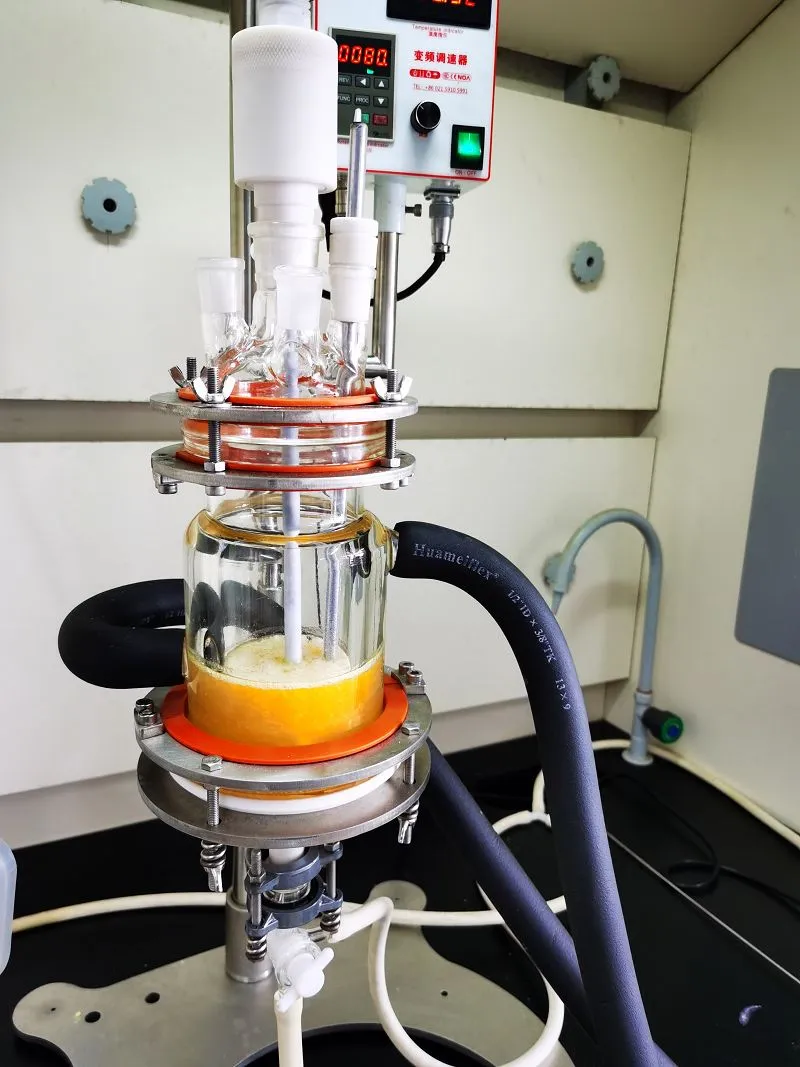
We employ an optimized solid-phase synthesis strategy, using a premixed amino acid mixture for coupling. We strictly control the coupling efficiency at each step and adjust the feed ratio of random amino acids through small-scale trials to ensure that the frequency of different sequences in the final product is as close as possible to the theoretical value. For a random library, this step is crucial for ensuring diversity.
Quality control stage
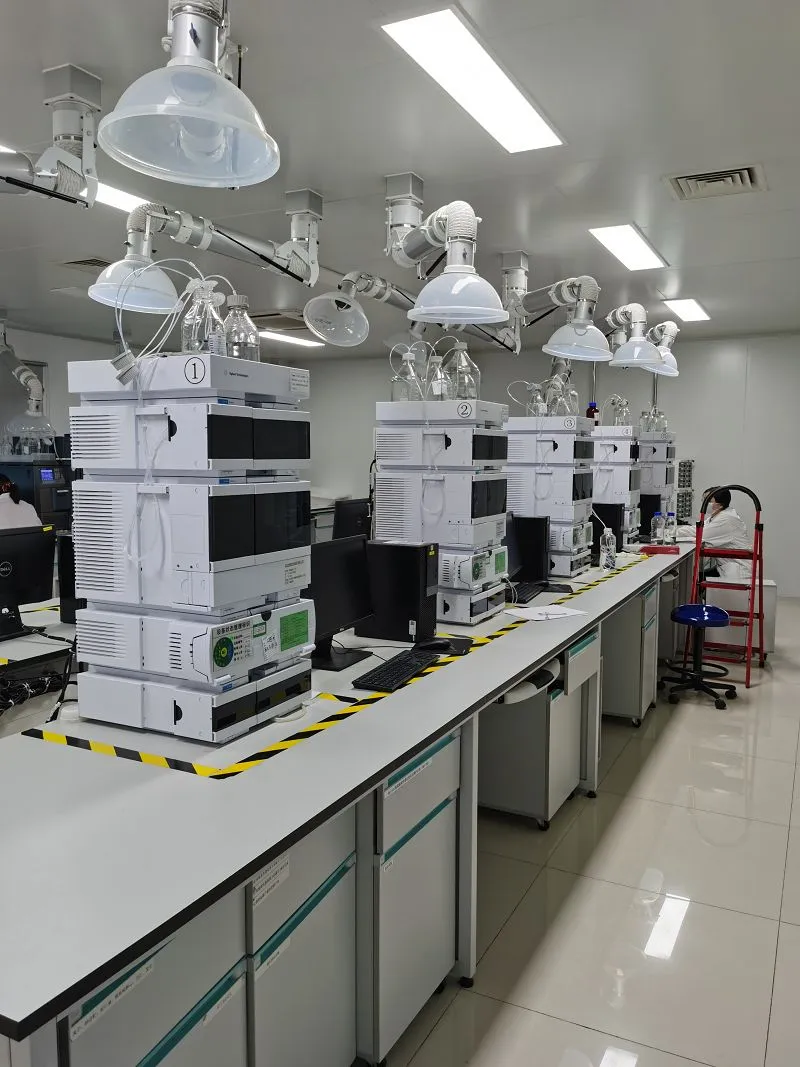
HPLC analysis: Observe the overall distribution of the peptide library to ensure there are no obvious dominant peaks (avoiding sequence bias).
Mass spectrometry identification: confirm that the molecular weight range is consistent with the theoretical distribution.
Post-processing and Delivery
Depending on the subsequent screening method, we can provide a desalted crude peptide mixture or further fractionation and purification; we can also couple biotin, fluorescent labeling, or carrier proteins as needed for direct use in screening experiments. All delivered random libraries come with a detailed Certificate of Account (COA) report, covering synthesis parameters, quality control data, and usage recommendations.
Types of Random Sequence Libraries We Can Provide
|
Library Types |
Features |
Typical Applications |
|
Linear Random Libraries |
19 natural amino acids (excluding Cys) are introduced at each random site, with a library capacity of 10⁸–10¹⁰ |
Phage Display, Affinity Screening, Epitope Screening |
|
Cyclic Peptide Random Libraries |
Forming cyclic structures through disulfide bonds or head-tail cyclization, resulting in more stable conformation and higher binding specificity |
Targeting protein-protein interactions, developing highly stable ligands |
|
Modified Random Libraries |
Introducing phosphorylation, glycosylation, methylation, and other modifications into random sequences |
Screening for modification-specific antibodies, simulating post-translational modification events |
|
Non-Natural Amino Acid Libraries |
Introduction of D-type amino acids, N-methyl amino acids, β-amino acids, etc. |
Improving the metabolic stability of peptides for drug development |
|
Position-Specific Libraries |
Some positions are fixed with specific amino acids, while the rest are random (e.g., XXXXX) |
Structure-activity relationship studies, epitope scanning |
Furthermore, we can combine various strategies to meet your needs, such as constructing complex random sequence libraries containing both non-natural amino acids and cyclic structures.
Technical Parameters and Customization Capabilities
|
Parameters |
Description |
|
Library Length |
3–20 amino acids (longer sequences require assessment of synthesis difficulty) |
|
Randomization Method |
19 natural amino acids (excluding Cys), specific non-natural amino acids, and modified amino acids |
|
Synthesis Scale |
Milligram to Gram Mixtures |
|
Delivery Form |
Lyophilized Powder (may contain carriers such as mannitol), Solution, Coupled to Carrier Protein or Biotin |
|
Optional Modifications |
Biotin, FITC, phosphorylation, glycosylation, PEGylation, etc. (positions must be specified) |
|
Quality Control Options |
HPLC chromatograms, mass spectrometry analysis, NGS randomness verification (recommended) |
Application areas: What can a random library do for you?
Drug lead discovery: Screening high-affinity ligands from the random library for specific targets (e.g., GPCRs, kinases, ion channels), followed by optimization to obtain candidate drugs.
Antigen epitope localization: Screening the random library with target antibodies to quickly determine linear or conformational epitopes recognized by antibodies for vaccine design or diagnostic reagent development.
Molecular Interaction Network Research: Screening for peptide motifs that interact with a protein to reveal key binding sites in signaling pathways.
Diagnostic probe development: Screening peptides from random libraries that specifically bind to disease biomarkers (such as tumor-associated proteins) for use in detection kits.
Material-Binding Peptide Screening: Screening for peptides that bind to specific nanomaterials, biomaterials, or metal surfaces for use in biosensors or material functionalization.
Why is Science-Peptide's Random Library trustworthy?
Experience Accumulation
For 20 years, we have built random libraries for hundreds of laboratories and pharmaceutical companies worldwide, covering different lengths, types, and application scenarios. We understand which sequences are easy to synthesize and which modifications may pose challenges, and we can mitigate potential risks during the design phase.
One-Stop Service
From library design, synthesis, and quality control to downstream screening support (such as biotin labeling and vector conjugation), we provide full technical support. You don't need to deal with different suppliers; we ensure that random libraries seamlessly integrate into your R&D process.
Intellectual Property Protection
All projects have signed confidentiality agreements. Your sequence information and research objectives are only known within the project team. The data system complies with information security standards.
Consult us now to customize your random library.
Random libraries are the bridge connecting chemical space and biological activity. Whether you need a standard linear library or a complex cyclic peptide modification library, we are willing to discuss with you in depth and provide a construction solution that best suits your research objectives.